
2 min readRead
Strauss Zelnick downplays the technical gap between PC and consoles while addressing roleplaying and piracy risks ahead of the November 19 Grand Theft Auto 6 release.

Take-Two Interactive CEO Strauss Zelnick clarified the company's stance on platform capabilities during an investor Q&A, asserting that the technical gap between PC and modern consoles has effectively evaporated. Zelnick noted that the capabilities of the PC platform today are not materially different from console specifications, framing consoles as specialized hardware environments that share a common architectural lineage with high-end workstations. This perspective informs the strategic rollout of Grand Theft Auto 6, which is scheduled for a console-only launch on November 19. By prioritizing the console ecosystem, Take-Two leverages a controlled environment where hardware variability is minimized, even as the underlying engine tech remains portable across x86-64 architectures.
The discussion, reported by PC Gamer, highlighted a disconnect between executive strategy and the specific engagement patterns of the PC community. While analysts from Oppenheimer & Co questioned whether the company intended to close the experience gap regarding roleplaying (RP) features, Zelnick maintained that the core experience remains roughly the same across all platforms. This assertion overlooks the impact of the FiveM multiplayer mod, a PC-exclusive toolset that has sustained the previous iteration of the franchise for over a decade. Although Take-Two acquired the team behind FiveM, the CEO remained non-committal about whether these advanced community features would be integrated into the stock console experience at launch.
FiveM represents a profitable business segment for Take-Two, yet the transition of these community-driven features into the official Rockstar Games pipeline remains opaque. Zelnick emphasized that the company's primary mission is to deliver high-quality entertainment, suggesting that if the creative output is successful, monetization follows. This philosophy suggests a hands-off approach to the granular mechanics of roleplaying servers in the immediate future, even as the company acknowledges the financial viability of the modding scene. The acquisition of FiveM serves as a strategic hedge, allowing the publisher to internalize community innovations while maintaining a strict console-first release window that maximizes initial retail velocity.
The engineering challenge lies in reconciling the open-ended nature of PC modding with the restrictive security protocols of modern consoles. While Zelnick views the platforms as technically similar, the software layers—specifically regarding file access and third-party script execution—remain distinct. According to Insider-gaming, any updates regarding a PC version or physical disc releases will come directly from Rockstar, indicating a tightly controlled communication pipeline designed to prevent cannibalization of console sales. This strategy ensures that the initial launch focuses on the largest, most stable player base before expanding into the more complex PC hardware landscape.
Technical enthusiasts and industry practitioners have expressed a mix of skepticism and pragmatic acceptance regarding Zelnick's claims of platform parity. On platforms like Bluesky and Reddit, the discourse centers on the perceived revenue-driven delay of the PC version, with some users pointing out that the lack of a PC version on launch day contradicts the idea of a shared experience. On Hacker News, users like jauntywundrkind noted that even Microsoft seems to agree that the lines between platforms are blurring, though the practical application of this in a closed ecosystem like the PlayStation 5 remains a point of contention.
[Bluesky] @driftkaiser.bsky.social: "Love that there are people who actually think that the Take Two/Rockstars won't doing Day one PC and Console release because PlayStation paid a deal. Strauss Zelnick CEO himself said the consoles are their core audience and they generate more revenue than PC every week."
Beyond platform availability, the threat of piracy and the role of AI in asset creation have emerged as critical talking points for the executive team. Zelnick identified piracy as a fact of life, citing a 10% to 20% impact in the film industry, and vowed to use both technical and legal measures to protect the upcoming release. As detailed by Tweaktown, the company is scaling its defenses against AI-powered decompilation and bad-faith actors. While Zelnick remains skeptical of AI's ability to create a "big hit," he acknowledges that technological advances have made asset creation easier, though the human element remains the primary driver of the franchise's creative success.
Take-Two is currently enhancing its technical defenses to mitigate the risks posed by modern piracy tools, particularly those leveraging artificial intelligence for reverse engineering. Zelnick assured investors that the company is scaling its legal and technical activities to match the evolving threat landscape. This proactive stance is necessary given the high stakes of the November 19 launch, where the game is expected to set a new baseline for the company's financial performance. The CEO's comments to Exputer suggest that while the business has historically been resilient to piracy due to massive file sizes and online requirements, the emergence of AI-driven tools requires a more robust defensive posture.
Ultimately, the strategy for the next chapter of the Grand Theft Auto series relies on a balance between hardware parity and platform-specific monetization. By treating consoles as the primary target, Rockstar can optimize for a fixed set of hardware specifications while the FiveM team continues to refine the roleplaying infrastructure that will likely define the eventual PC release. Zelnick’s refusal to acknowledge a material difference between the platforms serves as a corporate signal that the console version is no longer a compromised port, but rather the definitive baseline for the franchise's future.
Primary source
PC Gamer (opens in a new tab)Pulse Wire Briefing
Real-time security & systems dispatches, straight to your inbox.


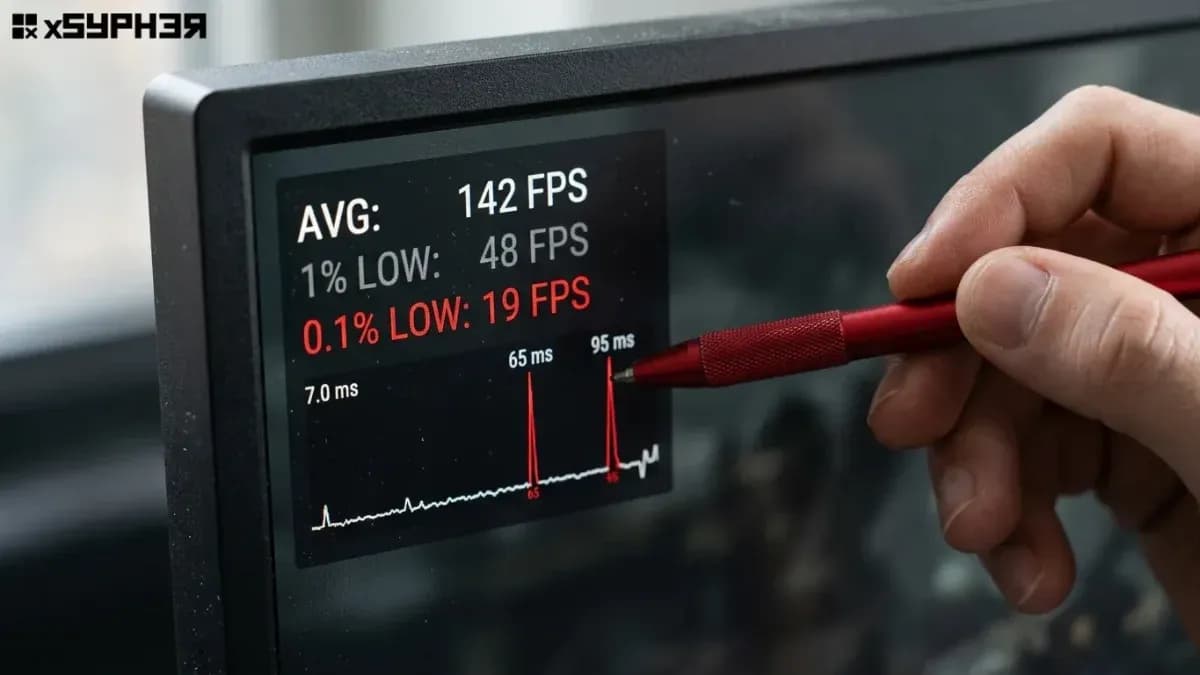
A 140 FPS average hides 100 ms frame-time spikes. Use PresentMon to isolate shader compilation, CPU limits, VRAM overflow, and VRR sync stutter.
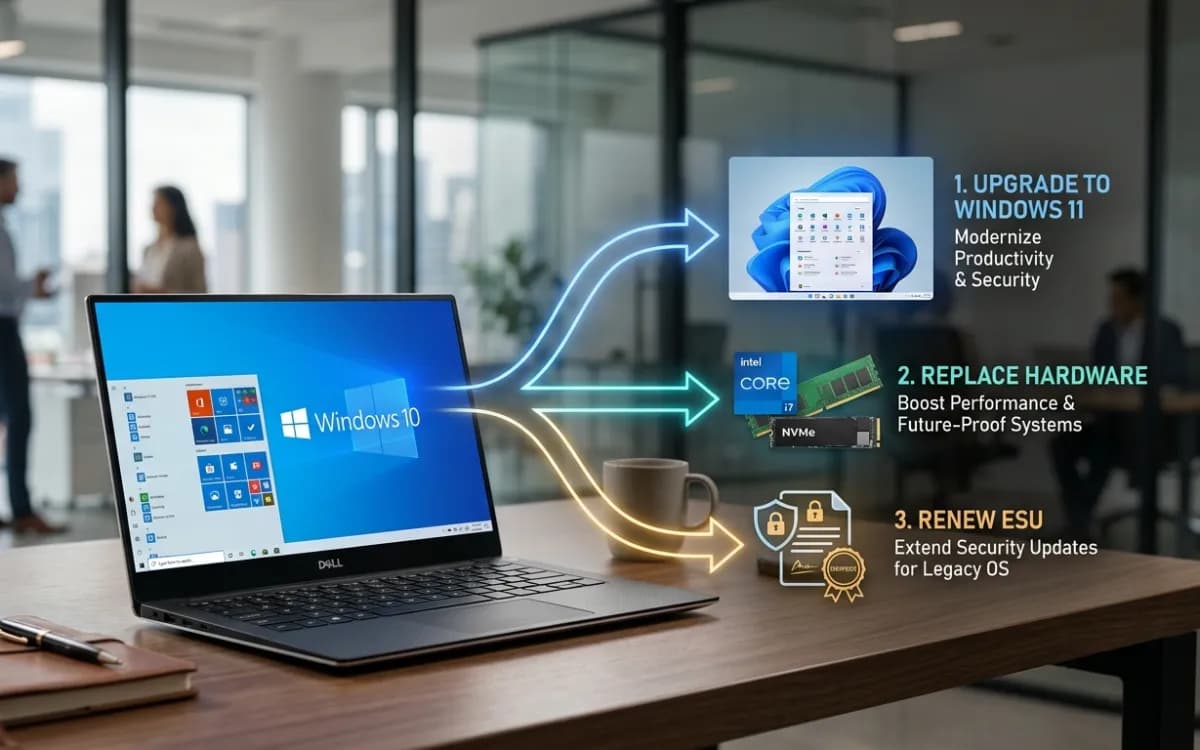
A per-seat decision model for mixed estates choosing between $122-per-device renewals, Windows 11 upgrades and hardware replacement.

Language models are trained to guess, not to say "I don't know." Here is why they fabricate citations and numbers, plus the validation workflow we use.
Discussion (…)