

Latest Dispatch
Cybersecurity3 min readUpdated
1Password Confirms Backend Breach After GitHub Hijack, Says Password Vaults Are Untouched
An attacker leveraged a compromised employee developer account to inject rogue code and scrape customer names, login emails, and account metadata—though zero-knowledge encryption kept stored secrets locked down.
Co-Founder & Editor-in-Chief ·

1Password confirmed late Wednesday that an attacker breached its backend infrastructure and pulled customer account records. Customer password vaults, Master Passwords, and Secret Keys were not touched.
According to the Toronto-based company's November 25 security advisory, the intrusion affected a limited slice of its user base after an attacker compromised an employee developer account and pushed unauthorized code into internal systems.
From Hijacked GitHub Account to Backend Injection
Security teams first flagged unusual activity on November 19, 2026. Investigators quickly traced the entry point to an employee's hijacked corporate GitHub account.
With developer-level GitHub credentials in hand, the intruder cloned private source code repositories and pivoted directly into 1Password's CI/CD build pipeline. That foothold let the attacker deploy modified code onto backend servers and scrape administrative customer records before security engineers severed the connection.
Internal CI/CD secrets and proprietary source code were also copied during the intrusion. 1Password says its codebase holds zero customer secrets, and neither service uptime nor client app security took a hit.
What Actually Leaked
Reporting from BleepingComputer and 1Password's own forensic breakdown show the injected backend code pulled four categories of account metadata:
Names and login emails: Full names and primary email addresses tied to affected accounts.
Account metadata: User and account IDs, signup dates, last login timestamps, plus internal file and version identifiers.
Public protocol parameters: Public cryptographic keys and Secure Remote Password (SRP) values, neither of which can decrypt data or authenticate a session.
Emailed link tokens: Pending tokens embedded in account invite, SCIM/Hosted provisioning, and recovery emails.
Why Stolen Recovery Tokens Didn't Lead to Takeovers
Seeing "account recovery tokens" on a breach manifest usually spells disaster. Here, architecture held the line.
A 1Password invite or recovery token is useless by itself. Redeeming one requires passing single sign-on (SSO) authentication or entering a separate verification code sent straight to the user's inbox. Only a tiny group of users had live, unexpired tokens during the exposure window, and 1Password contacted them directly.
Even so, engineers didn't leave the verification flow as-is. To kill off any chance of brute-forcing codes alongside a leaked token, 1Password immediately bumped its emailed verification codes from 6 digits up to 10 alphanumeric characters.
Zero-Knowledge Encryption Held Up
Users do not need to rotate their Master Passwords or re-key their vaults. Because 1Password encrypts and decrypts vaults locally on user devices using both a Master Password and a 128-bit Secret Key—neither of which ever touches company servers—backend compromises hit a cryptographic brick wall. Desktop apps, mobile clients, browser extensions, and local recovery keys were completely isolated from the affected backend environment.
Once the rogue deployment surfaced, 1Password killed the compromised GitHub account, invalidated exposed tokens, redeployed clean backend builds from verified commits, and rotated all CI/CD and infrastructure credentials. External incident responders brought in to audit the logs confirmed zero customer accounts were hijacked.
The Real Risk Now: Targeted Phishing
Vault encryption doesn't stop social engineering. As researchers at The Hacker News point out, knowing a target's real name, login email, and last sign-in date is more than enough to build convincing 1Password phishing lures.
Skip email login links: Never click a password reset or vault verification link inside an unexpected email or text. Open the local 1Password app or type1password.com manually.
Keep your Secret Key offline: Support staff will never ask for your Master Password, Secret Key, or verification codes. You only ever enter a Secret Key when authorizing a brand-new device.
Flag fake advisories: Forward suspicious breach notices or unrequested team invites directly to [email protected].
Verified takeaway
1Password disclosed a November 19 backend intrusion stemming from a hijacked employee GitHub account. While attackers pulled names, login emails, and metadata for a slice of users, zero-knowledge encryption kept vaults untouched.
Pulse Wire Briefing
Real-time security & systems dispatches, straight to your inbox.
Read Next in Pulse
View All Pulses


Deep Dives from xSypher
View All Deep Dives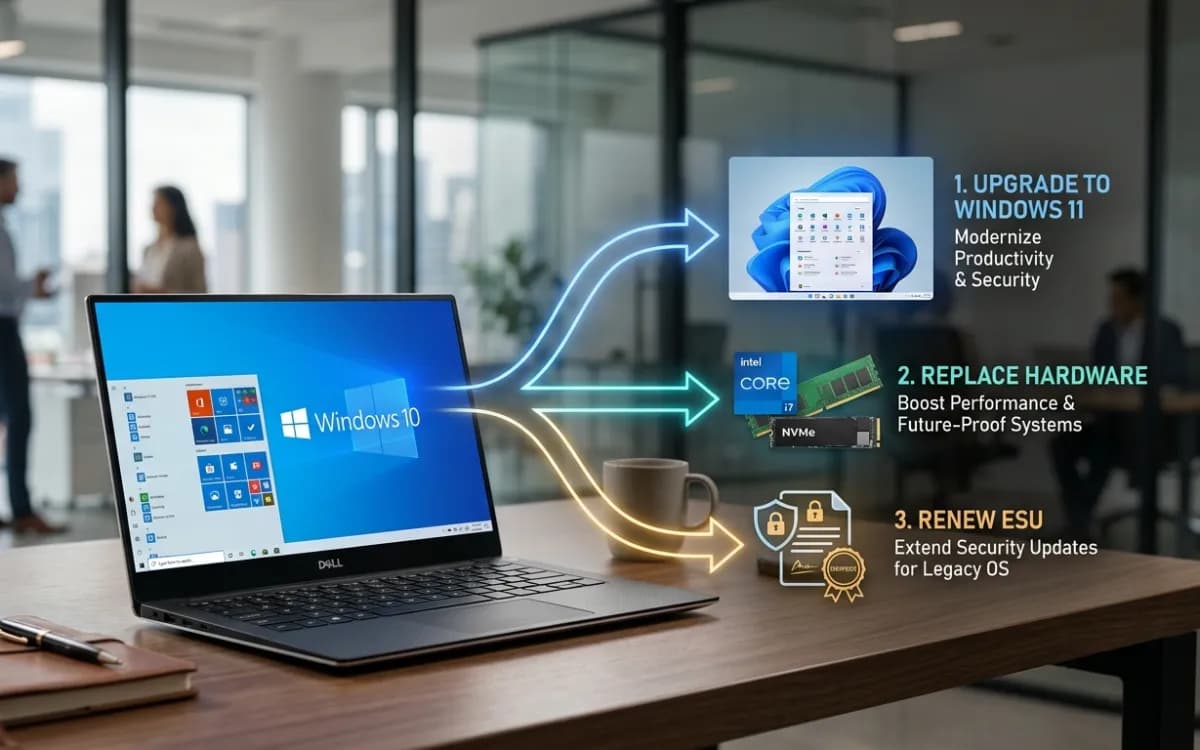
Windows
Windows 10 ESU Year 2: Pay, Upgrade or Replace
A per-seat decision model for mixed estates choosing between $122-per-device renewals, Windows 11 upgrades and hardware replacement.
14 MIN READRead Feature

Large Language Models
Why AI Hallucinates and How to Catch It Before It Costs You
Language models are trained to guess, not to say "I don't know." Here is why they fabricate citations and numbers, plus the validation workflow we use.
15 MIN READRead Feature
Backend Architecture
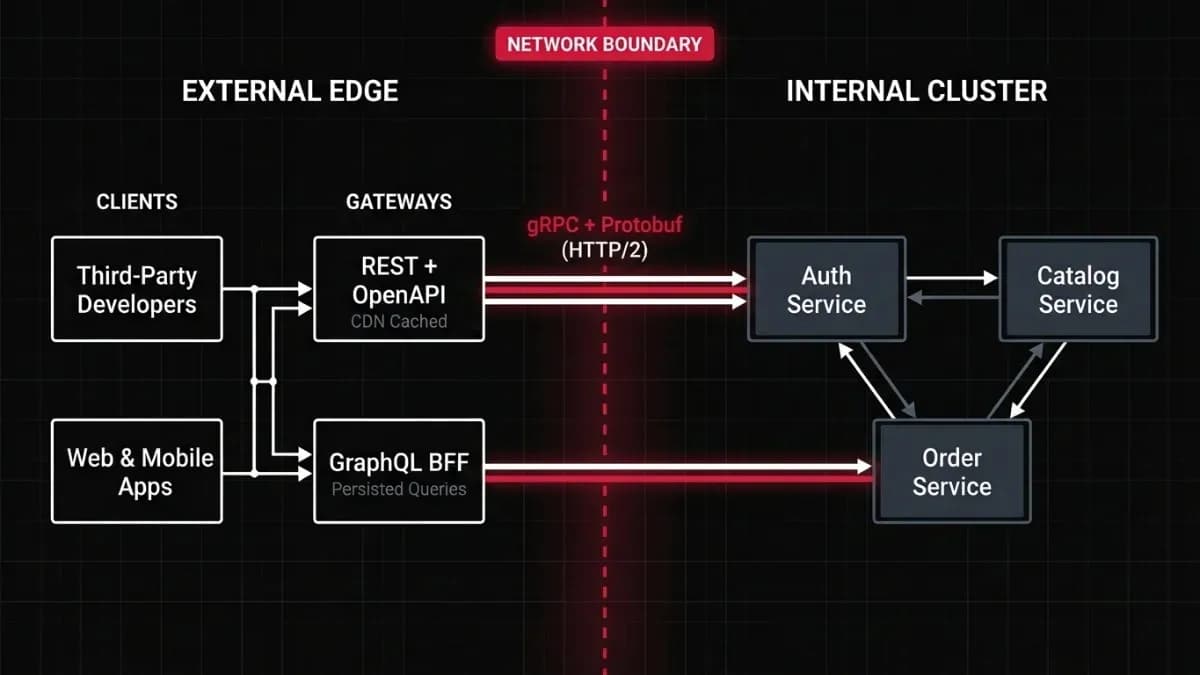
REST vs GraphQL vs gRPC: Choosing the Right API Architecture
Each style wins one axis and loses another. How caching, schema change, clients, operations and latency decide it, plus the hybrid most teams end up running.
15 MIN READRead Feature
Discussion (…)