
2 min readRead
Major price cuts on T-Force storage, AMD processors, and Dell laptops allow builders and mobile users to secure premium hardware ahead of November 27.
Retailers slashed prices across PC hardware and mobile gear ahead of Black Friday 2026. Price cuts dropped the T-Force G50 Evo 4TB SSD to $399.99 and the AMD Ryzen 7 9800X3D to £312.99.
These early discounts reported by Tom's Hardware provide substantial relief for system builders and everyday consumers targeting high-capacity storage, desktop CPUs, and laptops. As hardware costs remain high, component manufacturers and vendors are discounting solid-state drives and 8-core desktop processors to attract buyers ahead of the primary shopping weekend.
With the official event date set for Friday, November 27, retailers have already activated live coverage and early sales across major product lines. High-capacity solid-state drives are seeing significant reductions as vendors clear stock and adjust to component pricing shifts.
Among the top storage deals, the Team Group T-Force G50 Evo M.2 2280 4TB PCIe 4.0 x4 SSD dropped from its list price of $485.99 to $399.99, saving buyers $86. According to vendor claims reported by Tom's Hardware, the drive delivers sequential read speeds of 5,000 MB/s and sequential write speeds of up to 4,800 MB/s. At this reduced rate, the 4TB drive costs $0.10 per GB. Note that these performance specifications are vendor claims and have not been independently tested in this review.
Next-generation PCIe 5.0 drives are also receiving notable price cuts in regional markets. The Sandisk Optimus GX Pro 8100 1TB PCIe 5.0 NVMe SSD fell from £268.99 to £175.99 at Amazon UK, representing a 35% saving and hitting its lowest recorded price on that platform. Built with DDR4 RAM and a Silicon Motion SM2508 controller, the drive scored well in earlier testing compared to the older Western Digital SN8100. Manufacturer specifications state that the Optimus GX Pro 8100 reaches sequential read speeds of 14,900 MB/s and write speeds of 11,000 MB/s.
Desktop processor discounts feature prominent options for builders upgrading to modern socket platforms. AMD's 8-core Ryzen 7 9800X3D CPU hit a new lowest-ever price at Amazon UK, selling for £312.99. This follows earlier discounts where the processor dropped from £372 to £339.99 during June sales. The 9800X3D targets the AM5 ecosystem and features a lower power draw compared to the higher-tier 9850X3D processor while maintaining strong gaming performance.
Laptop discounts target budget-conscious buyers seeking light, portable systems for productivity tasks. Dell reduced its XPS 13 laptop to $549.99, positioning the machine as an affordable Windows alternative to Apple's entry-level MacBook Neo.
This configuration comes equipped with Intel's Wildcat Lake Core 5 320 CPU, 8GB of RAM, and a 256GB SSD. Unlike the competing MacBook Neo, the portable Dell device includes a backlit keyboard alongside its matching core memory and storage specifications.
Discounting extends into consumer ecosystems for buyers seeking premium laptops and mobile service promotions. According to 9to5Mac, the current 15-inch M5 MacBook Air is available for $1,199.00, down from its regular price of $1,499.00. This configuration packs 16GB of unified memory and 512GB of internal storage. The hardware features a Sky Blue exterior finish that matches accessories like the Glacier iPhone 18 Pro.
Carrier promotions from T-Mobile deliver steep subsidies on flagship smartphones tied to specific service plans. As reported by Android Authority, subscribers can get up to $1,100 off the Google Pixel 11 Pro or up to $1,000 off the Samsung Galaxy S26.
For customers willing to trade in devices or add lines on qualifying plans, T-Mobile offers several smartphones for free, including the Samsung Galaxy S26 Plus, Google Pixel 11 Pro, standard Galaxy S26, Motorola Razr Fold, and Razr Plus. Prepaid brand Metro by T-Mobile is offering a free Samsung Galaxy A37 5G to switchers who join its $40 plan. Additionally, T-Mobile's 12 Days of Magenta promotion will run accessory deals inside the T-Life app from December 1 through December 12.
| Device / Component | Regular Price | Sale Price | Key Specifications / Requirements |
|---|---|---|---|
| T-Force G50 Evo 4TB SSD | $485.99 | $399.99 | PCIe 4.0 x4, 5,000 MB/s read, $0.10/GB |
| Sandisk Optimus GX Pro 8100 1TB | £268.99 | £175.99 | PCIe 5.0, SM2508 controller, DDR4 RAM |
| AMD Ryzen 7 9800X3D | £372.00 | £312.99 | 8 cores, AM5 platform, lower power vs 9850X3D |
| Dell XPS 13 | — | $549.99 | Intel Core 5 320, 8GB RAM, 256GB SSD, backlit keys |
| Apple 15-inch MacBook Air | $1,499.00 | $1,199.00 | Apple M5 chip, 16GB RAM, 512GB SSD |
Navigating hundreds of store listings during holiday events frequently creates friction for shoppers sorting through temporary price markdowns. A software tool featured on Product Hunt, called Hold'em, attempts to solve deal tracking across Shopify stores. The tool converts store browsing into a card game format, automatically checking live carts for valid discounts and consolidating selected items into a single checkout bag.
Evaluating the technical trade-offs across these hardware categories shows clear division between raw performance and total cost. While PCIe 5.0 SSDs like the Sandisk Optimus GX Pro 8100 deliver rated read speeds up to 14,900 MB/s, they carry a premium per gigabyte compared to PCIe 4.0 options like the T-Force G50 Evo, which trades top-tier speed for 4TB of capacity at $0.10 per GB. Similarly, mobile hardware savings depend heavily on long-term service commitments, as carrier discounts on devices like the Pixel 11 Pro require specific multi-tier data plans.
Primary source
Tom's Hardware (opens in a new tab)Pulse Wire Briefing
Real-time security & systems dispatches, straight to your inbox.


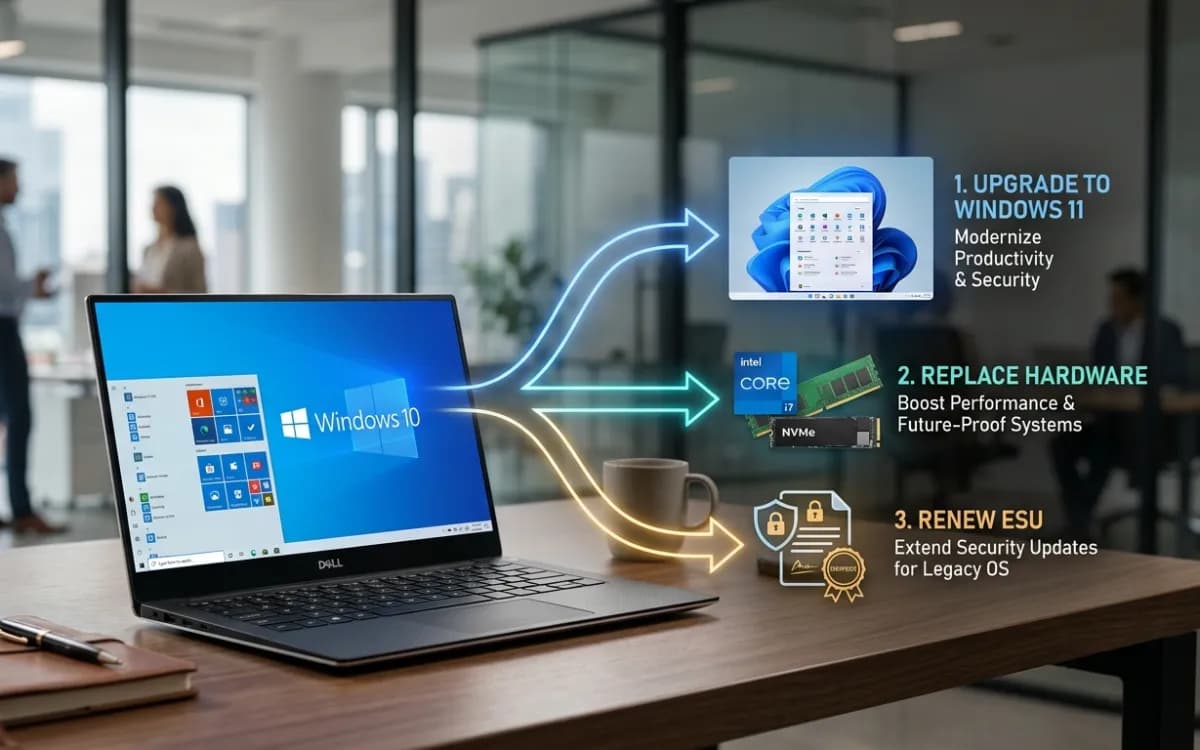
A per-seat decision model for mixed estates choosing between $122-per-device renewals, Windows 11 upgrades and hardware replacement.

Language models are trained to guess, not to say "I don't know." Here is why they fabricate citations and numbers, plus the validation workflow we use.
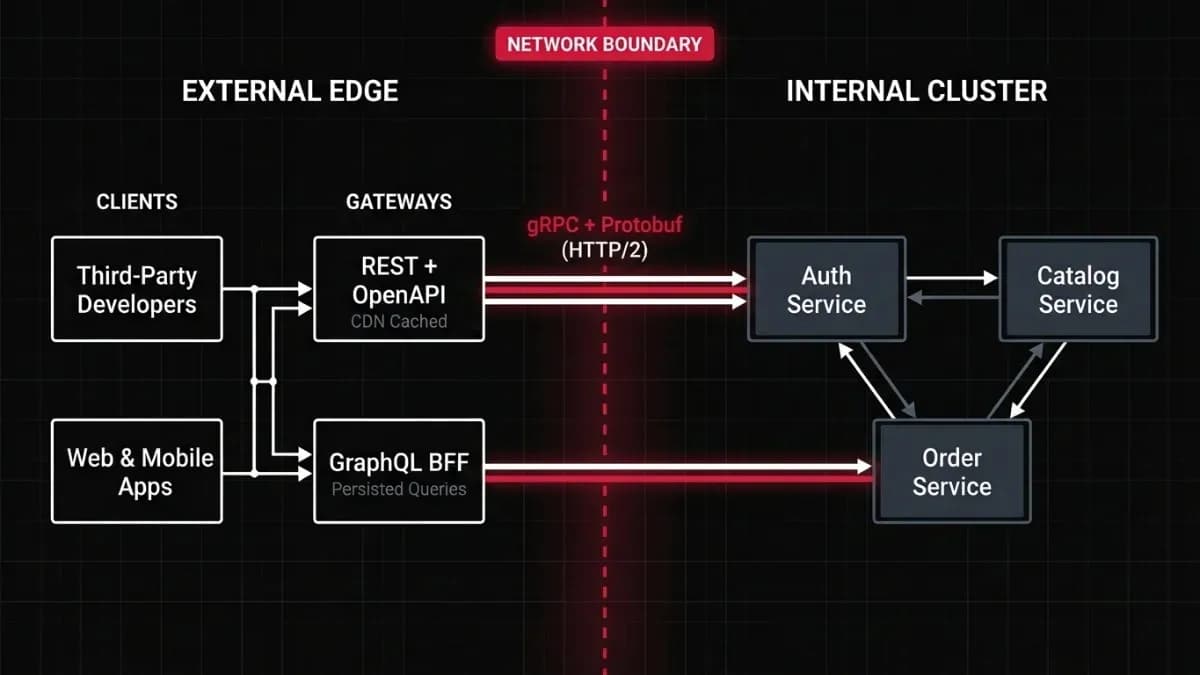
Each style wins one axis and loses another. How caching, schema change, clients, operations and latency decide it, plus the hybrid most teams end up running.
Discussion (…)