
2 min readRead
Prosecutors file 41 criminal charges and freeze S$55 million in assets as Southeast Asian authorities intensify enforcement of U.S. export controls on advanced hardware.
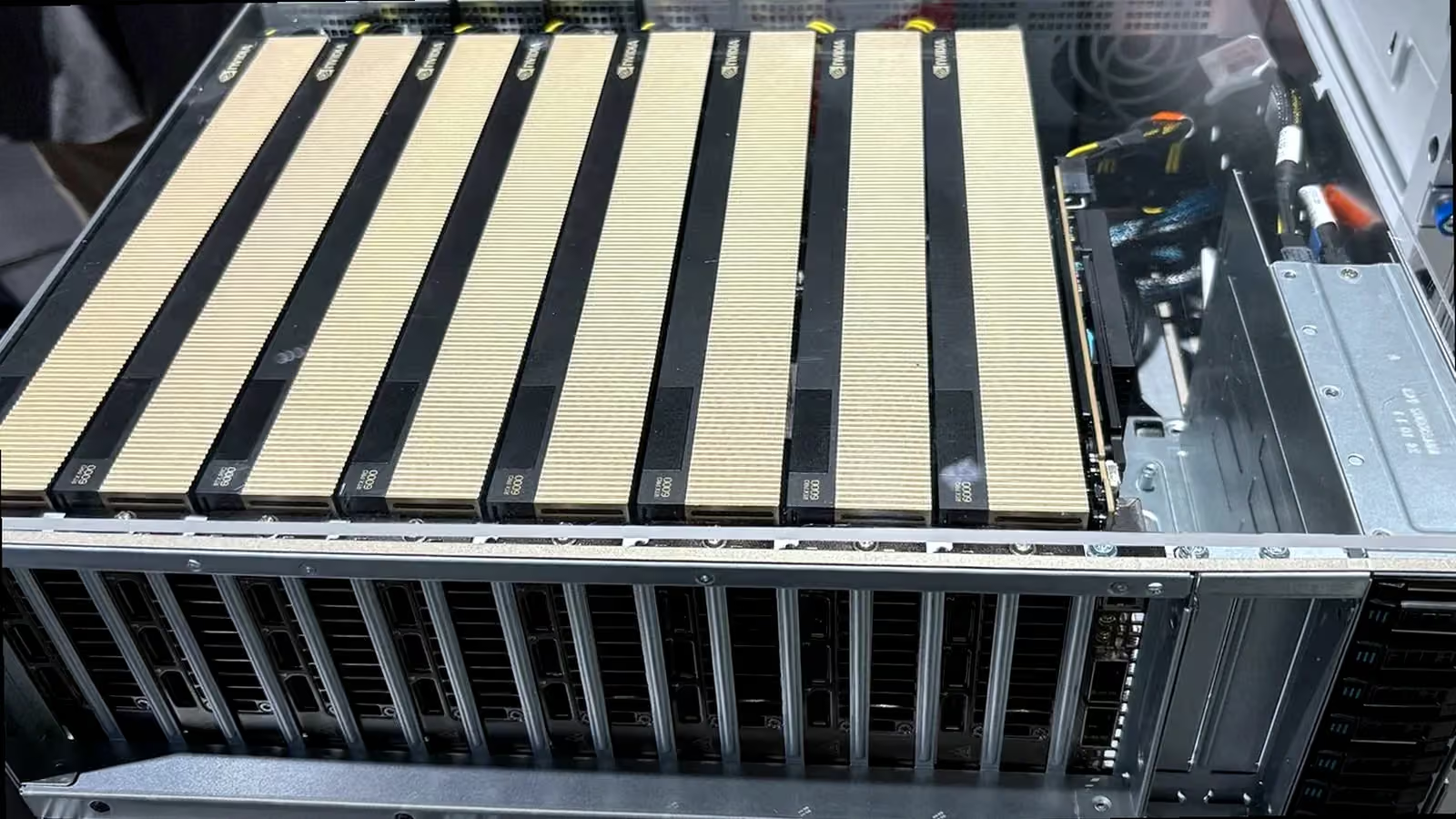
Singaporean authorities have filed 41 criminal charges against Shi Bingzhe, a 34-year-old Chinese citizen, over the illegal procurement of 917 servers containing restricted Nvidia hardware. Tom's Hardware reported the charges, detailing the involvement of multiple entities in the hardware acquisitions.
The criminal case illustrates how Singapore and Malaysia have become focal points in global efforts to enforce trade restrictions. These measures target high-performance artificial intelligence components designed to block unauthorized re-exports to China.
Prosecution filings detail that Shi held key executive positions at two entities involved in the acquisition of restricted computing hardware. Shi served as the director of Superphi and as the chief operating officer of NJ Global Financial. Under his leadership, the two commercial entities purchased 917 server units equipped with restricted Nvidia chips from supplier Aperia International. Prosecutors verified that these purchases were split across 41 distinct transactions conducted over a nine-month window between May 2024 and February 2025.
The judicial push extends beyond Shi to encompass the commercial network that facilitated the server acquisitions. In July, Singaporean prosecutors charged four corporate entities for allegedly submitting false documentation while completing hardware orders. The charged companies consist of Aperia International, A-Speed Infotech, Aperia Cloud Services (II), and Luxuriate Your Life. Official court documents did not reveal the exact nature of the false statements made during those transaction filings.
Law enforcement agencies moved to restrain key financial assets connected to the defendants as the legal process moves forward. Authorities officially froze the disposal of a real estate property valued at approximately S$55 million. In addition, law enforcement officers confiscated approximately S$1 million directly from bank accounts tied to the operation.
If convicted on the 41 counts, Shi faces a maximum sentence of up to 10 years in prison alongside a fine of up to S$500,000 for each individual charge. The Singapore court has set Shi’s next formal appearance for January 4, 2027.
The legal enforcement actions coincide with broader scrutiny of regional technology infrastructure providers handling advanced computing hardware. In response to mounting regulatory focus, technology provider Megaspeed announced a comprehensive inventory audit intended to track and account for all restricted graphics processing units across its facilities.
Megaspeed publicly stated that strict adherence to export rules and maintaining transparent business operations have always been high priorities for its enterprise management. Despite those public statements, Megaspeed did not disclose essential operational figures regarding its hardware inventory. The firm declined to state the total quantity of GPUs it currently owns or clarify the specific GPU hardware models in its deployment fleet.
Additionally, Megaspeed provided no details regarding what officials from the U.S. Bureau of Industry and Security examined during their recent regulatory inspections. The company also declined to disclose whether inspecting authorities identified any legal or compliance violations during those checks.
The dual proceedings in Singapore and Malaysia emphasize the increasing scrutiny facing third-party transshipment hubs in Southeast Asia. Regulatory authorities are actively tracking multi-tiered procurement networks to prevent restricted AI accelerators from being diverted to unauthorized destinations, including China.
By filing criminal charges against corporate executives and applying financial asset freezes against intermediary suppliers, regional regulators are signaling stricter enforcement. These actions aim to ensure compliance with international hardware trade rules.
Primary source
Tom's Hardware (opens in a new tab)Pulse Wire Briefing
Real-time security & systems dispatches, straight to your inbox.
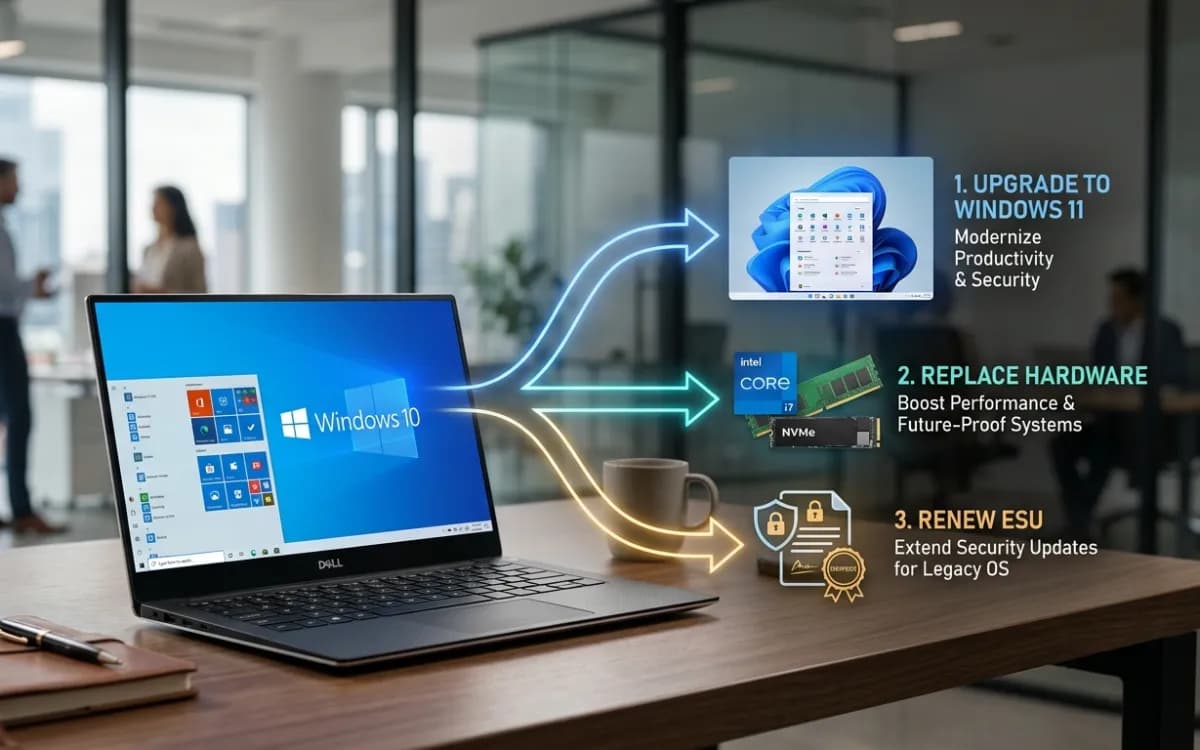
A per-seat decision model for mixed estates choosing between $122-per-device renewals, Windows 11 upgrades and hardware replacement.

Language models are trained to guess, not to say "I don't know." Here is why they fabricate citations and numbers, plus the validation workflow we use.
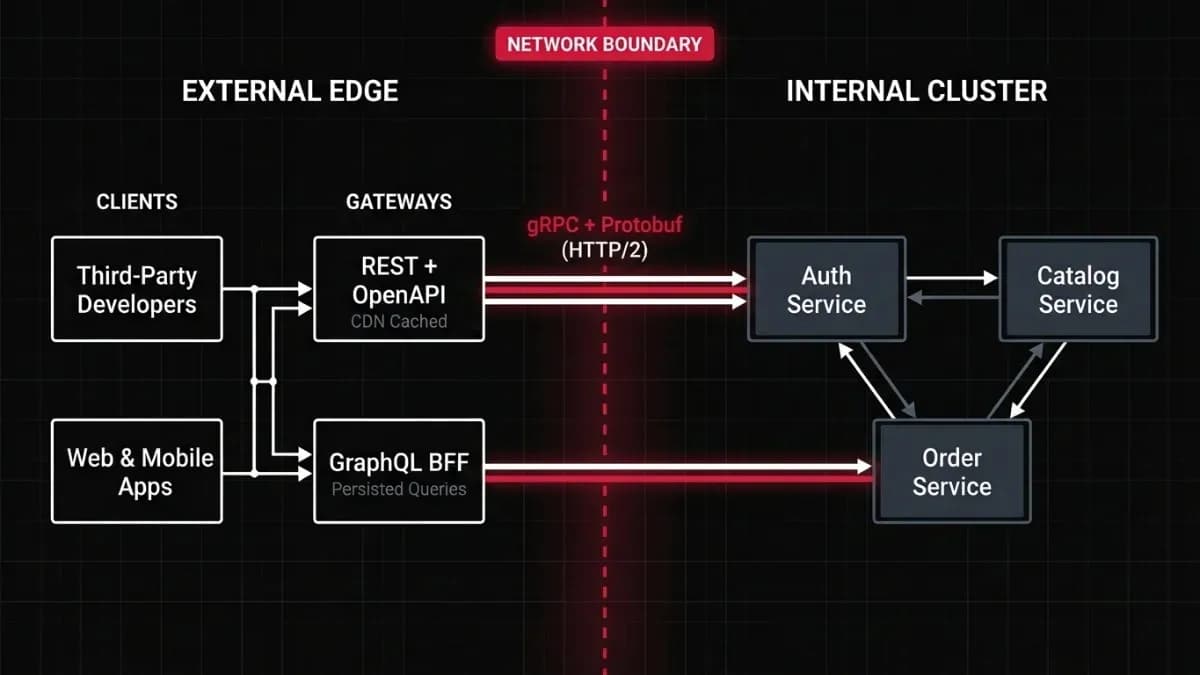
Each style wins one axis and loses another. How caching, schema change, clients, operations and latency decide it, plus the hybrid most teams end up running.



Discussion (…)