
Latest Dispatch
Cloud & Infra2 min readUpdated
Microsoft 365 Outage Prompts Infotech to Urge Recovery Verification for CIOs
Enterprise IT advisory firm Infotech warns that organizations must validate internal security policies and queued transactions before declaring full operational recovery.
XSYPHER SYSTEMS DESK
Technical Intelligence ·

Research firm Infotech urged enterprise CIOs to verify the recovery of business-critical workflows and security controls following a major cloud outage. The disruption began on November 12 with Exchange Online mailbox access failures in the Americas.
The service disruption spread across core enterprise productivity tools, impacting specific features within Teams, SharePoint, Copilot, and Defender. Infotech, an advisory firm serving over 30,000 IT leaders globally, advised technology executives against declaring normal operations until internal security monitoring, logging, and automated integrations undergo complete validation.
Outage Timeline and Impacted Services
The outage initiated Thursday afternoon as users across the Americas lost access to Exchange Online mailboxes. According to Infotech, infrastructure servers that returned to service on Thursday night subsequently failed again under load. Microsoft added capacity and initiated a rollback of a recent network change to stabilize systems.
In a midday ET update on November 13, system availability was improving, though intermittent access issues persisted. Microsoft 365 says core Teams messaging, video meetings, and direct SharePoint file access remained largely operational throughout the incident. However, news reports highlighted operational strain elsewhere, including delays in court communications and patient referrals where alternative manual routes were absent.
Microsoft reported no evidence of malicious activity driving the failure, and the primary root cause remained under investigation during the event. Vendor advisories provided the primary status updates as technical teams worked to stabilize the affected productivity services.
Recommended Actions and Security Verification
Infotech released a dedicated research note titled "Microsoft 365 Outage: Immediate Actions for CIOs" outlining necessary post-incident procedures. "CIOs need a clear basis for telling the business it can return to normal operations," stated Kate Wood, AVP of Research Development at Infotech. Wood emphasized that executive updates must explicitly highlight outstanding continuity gaps so enterprise business units can properly sequence operational steps.
Security verification forms a major component of the advisory. Infotech warned that during previous large-scale infrastructure outages, malicious actors frequently impersonated Microsoft support personnel to attempt credential harvesting, phishing, and deepfake voice or video calls. IT leaders must verify that security monitoring tools, service-related logging mechanisms, and policy enforcement rules are fully active before lifting emergency workarounds.
Technology teams must also check that queued transactions, third-party system integrations, and automated workflows resume expected execution without silent failures. Organizations relying on manual workarounds during email delivery delays are advised to audit all unprocessed data queues to prevent data corruption or missed transactions.
Service Level Agreements and Financial Recovery
Financial remediation for the disruption requires deliberate effort from enterprise legal and IT teams. Infotech noted that service level agreement credits are not applied automatically by Microsoft 365. SLA claims generally demand clear, customer-specific evidence of localized operational impact rather than relying solely on high-level vendor service status announcements.
To submit valid SLA claims, IT departments should preserve evidence, including timestamped service-health advisories, internal incident logs, and documented process delays. Vendor management teams must review contract terms to establish claim eligibility windows and submission deadlines. The total financial cost of the incident and specific SLA credit amounts awarded to affected organizations remain unquantified.
Primary source
PR Newswire Tech (opens in a new tab)Pulse Wire Briefing
Real-time security & systems dispatches, straight to your inbox.
Read Next in Pulse
View All Pulses

Deep Dives from xSypher
View All Deep Dives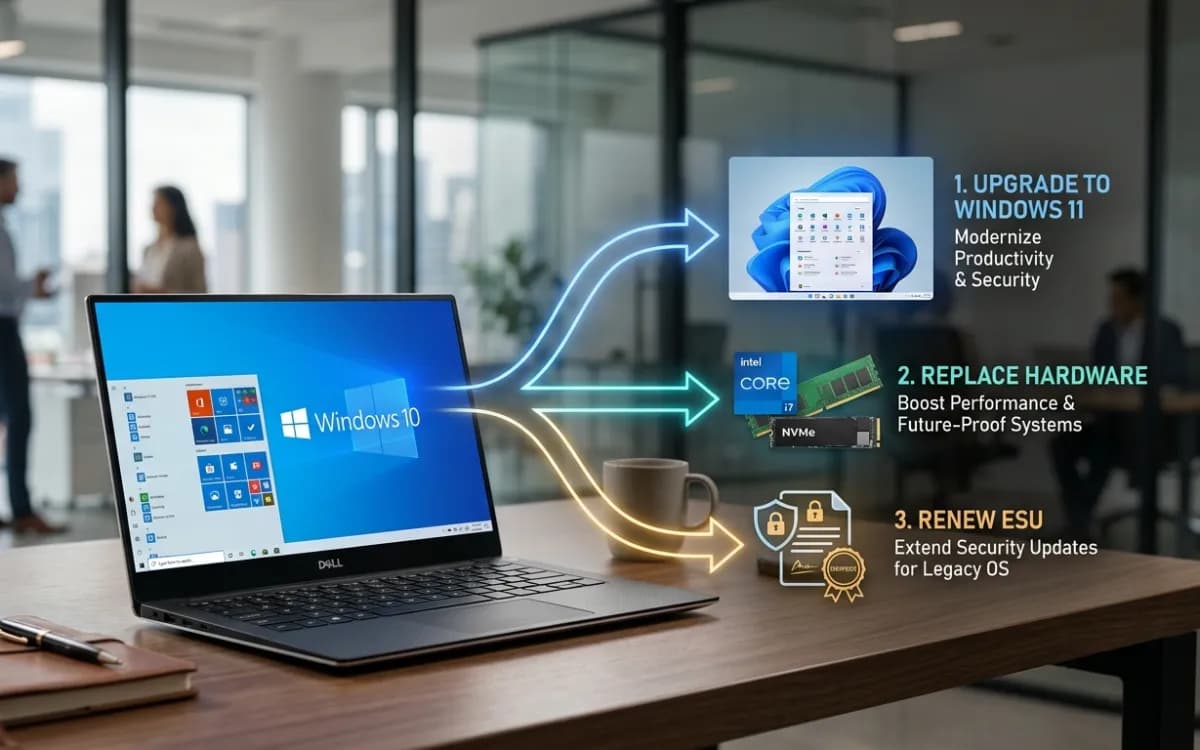
Windows
Windows 10 ESU Year 2: Pay, Upgrade or Replace
A per-seat decision model for mixed estates choosing between $122-per-device renewals, Windows 11 upgrades and hardware replacement.
14 MIN READRead Feature

Large Language Models
Why AI Hallucinates and How to Catch It Before It Costs You
Language models are trained to guess, not to say "I don't know." Here is why they fabricate citations and numbers, plus the validation workflow we use.
15 MIN READRead Feature
Backend Architecture
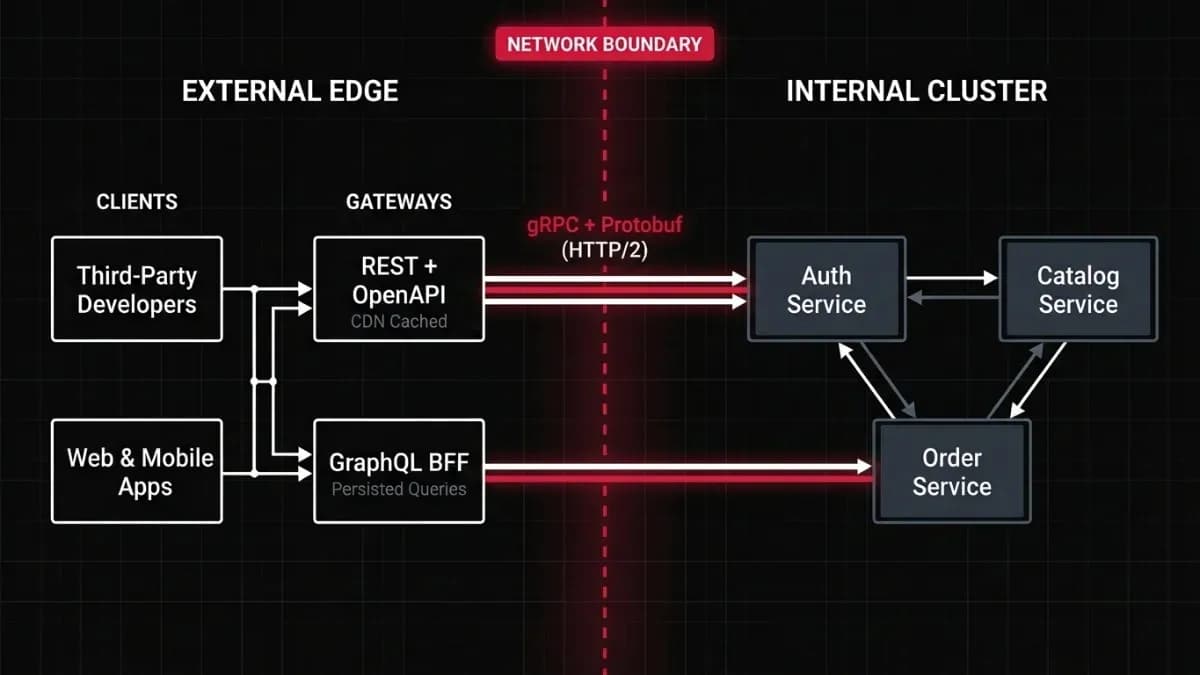
REST vs GraphQL vs gRPC: Choosing the Right API Architecture
Each style wins one axis and loses another. How caching, schema change, clients, operations and latency decide it, plus the hybrid most teams end up running.
15 MIN READRead Feature
Discussion (…)